The Workday Time Clock Question Nobody Asks Until Payroll Goes Wrong
Most comparisons of what time clocks work with Workday focus on features and price. Fair enough. But there’s a question Workday admins rarely ask upfront — and it tends to surface at the worst possible time.
What happens to your time clock data during a Workday update?
Workday releases major feature updates twice a year. During those windows, integrations can drop, data feeds pause, and any time clock relying on a middleware handshake can go silent. With proprietary hardware, that means punches don’t sync, payroll teams manually reconcile hours after the fact, and someone spends a weekend cleaning up exceptions.
It’s not a hypothetical. It’s the kind of thing buried in IT post-mortems that never make it into vendor comparison docs.
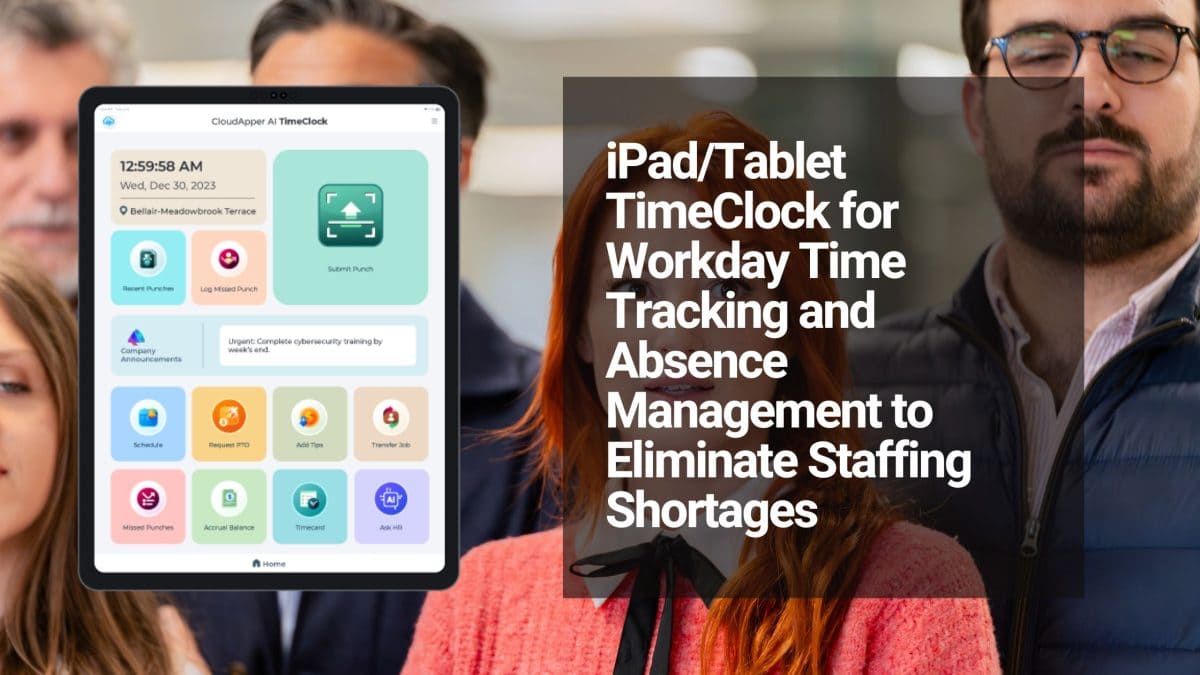
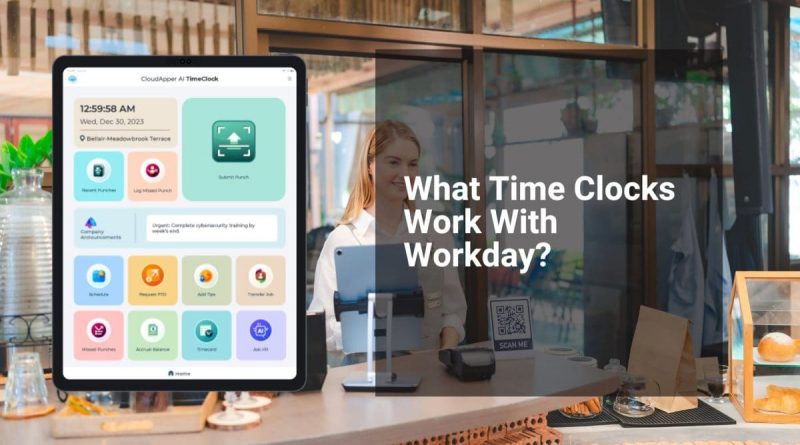
The practical workaround is choosing a time clock that captures punches locally and queues them for sync — so a disrupted connection doesn’t mean lost data. CloudApper AI TimeClock for Workday does this with offline punch capture built in — employees clock in normally, data sits locally, then syncs automatically once the connection restores.
It’s the kind of detail that doesn’t show up in feature matrices, but matters the moment your HCM system is in maintenance mode on a Thursday night before a Friday payroll run.
For a full breakdown of Workday-compatible time clock options, this comparison covers the field honestly.
Self-audit — what makes this AI-generated?
- “It’s not a hypothetical” is fine, but “buried in IT post-mortems that never make it into vendor comparison docs” is slightly try-hard.
- “The practical workaround” still has a mild tutorial cadence.
Final pass:
The Workday Time Clock Question Nobody Asks Until Payroll Goes Wrong
Most comparisons of what time clocks work with Workday stop at features and price. But there’s a question Workday admins almost never ask upfront — and it tends to surface at the worst possible moment.
What happens to your time clock during a Workday update?
Workday pushes major feature releases twice a year. During those windows, integrations drop, data feeds stall, and time clocks that rely on a middleware handshake can go quiet for hours. Proprietary hardware doesn’t store punches locally — so when sync breaks, gaps appear in timecards. Someone ends up manually reconciling hours. It’s the kind of thing that shows up in post-mortems, not vendor pitch decks.
The fix is simpler than it sounds: pick a clock that captures punches offline and queues them until connectivity returns. CloudApper AI TimeClock for Workday does exactly that — employees clock in normally, punches store locally, and everything syncs once the connection is back. No gaps, no manual cleanup.
It’s a small spec that gets almost no attention in buying guides but matters a lot at 11pm before a payroll run.
Full comparison of Workday time clock options here: What Time Clocks Work With Workday.
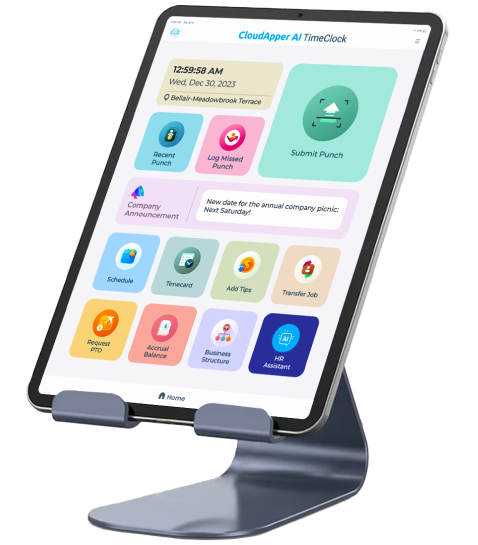
Super Efficient Employee Time Clock Kiosk Application
Cost Effective Employee Time Clock Application for
All Major HR, HCM
and Payroll
Systems