Government and Public Sector IT Solutions Providers to Watch
Public sector IT is under pressure from all sides. Citizens expect…
Why Your HCM Platform Can’t Be Customized Enough — And How to Fix It Without a Rebuild
Your UKG, Workday, or SAP SuccessFactors implementation cost millions. It took…
How Long-Term Care Facilities on Workday Can Automate Shift Differential and Credential-Based Pay at the Time Clock
If you run payroll for a skilled nursing facility or assisted…
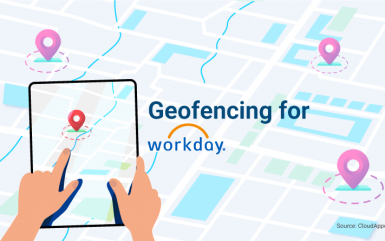
The Multi-Location Problem Workday’s Native Geofencing Doesn’t Solve — And What Does
Running a Workday deployment across eight stores or a dozen care…

How Engineering Constraints Shape Security Decisions
Security teams love to talk about threats as if the world…
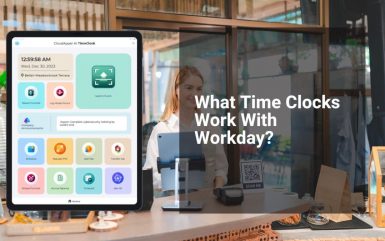
The Workday Time Clock Question Nobody Asks Until Payroll Goes Wrong
Most comparisons of what time clocks work with Workday focus on…

How CloudApper AI Simplifies Casino Tip Tracking for IRS Compliance and Dealer Satisfaction
Casinos operate in a fast-paced, high-volume environment where accurate casino tip…
AI Sourcing Candidates from Dayforce Recruiting: Streamlining High-Volume Talent Acquisition
In competitive industries like retail, hospitality, and manufacturing, recruiters using Ceridian…
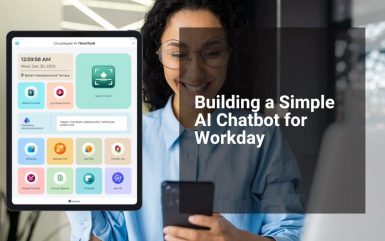
How to Build an AI Chatbot for Workday: Boost Employee Self-Service & Reduce HR Workload
TL;DR: An AI chatbot for Workday enables employees to get instant…
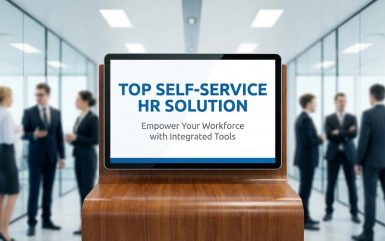
Top Self-Service HR Solution For Time And Attendance Tracking
Managing employee time and attendance has evolved beyond basic clock-ins. This guide compares the top self-service HR solutions, highlighting how modern platforms improve accuracy, reduce HR workload, and enhance employee experience. Learn why CloudApper hrPad stands out as the most advanced, AI-powered solution for today’s frontline and distributed workforces.
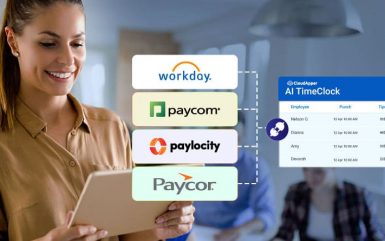
Workday HCM Integration with Paycom, Paycor, and Paylocity: Simplify Payroll Processing and Eliminate Manual Data Entry
Many organizations using Workday HCM for core HR and talent management…
The Future of Identity Management Is Touchless and Data-Driven
Identity management is no longer restricted to passwords and physical credentials….
Categories
- AI in HCM (22)
- AI RevOps Agent (34)
- AI-Tablet For HR (5)
- Biometric Hardware (70)
- Biometric Identification (20)
- Biometric Resources (209)
- Biometric Software (32)
- Biometric Technology (128)
- Border Control (70)
- City & Municipality Management (38)
- e-Governance (161)
- Enterprise AI (7)
- Finger Vein (8)
- Fingerprint (18)
- Gen AI for Government (23)
- Guest Blog Posts (309)
- Jail Management (13)
- Law Enforcement Management (59)
- M2SYS Podcast (3)
- Others (259)
- Patient Identification (47)
- Software Development (8)
- Talent Acquisition (20)
- Time Clock (46)
- Workforce Management (116)