Biometric Authentication vs Traditional Authentication: A Business Perspective
Introduction
In a digital era where cyberattacks and data breaches are rising, businesses are rethinking how they verify identities.
Traditional authentication methods like passwords and PINs have long been the default, but their vulnerabilities are increasingly exposed—weak or stolen credentials contributed to 81% of breaches in recent security reports.
Biometric authentication, using unique physical or behavioural traits, is gaining traction as a more secure and user-friendly alternative, reshaping enterprise security strategies worldwide.
What Is Traditional Authentication?
Traditional authentication refers to identity verification methods based on “something you know” or “something you have.” This includes passwords, PINs, security questions, and physical tokens like key cards or one-time codes. These methods rely heavily on user memory or possessions, which makes them familiar and inexpensive—but equally prone to human error and exploitation.
Challenges of Traditional Methods
- Password reuse and weak defenses: Around 59% of users reuse passwords across platforms, and only 9% use recommended strong passwords.
- Forgotten credentials: A significant percentage of users forget passwords daily, slowing productivity and increasing support costs.
- Susceptibility to attacks: Passwords can be phished, guessed, intercepted, or brute-forced, making them inherently weaker as standalone authentication mechanisms.
- Human factor risks: Credential theft due to social engineering or user negligence continues to be a top cause of breaches.
Despite these challenges, traditional methods remain widespread in many organisations due to low implementation costs and user familiarity.
What Is Biometric Authentication?
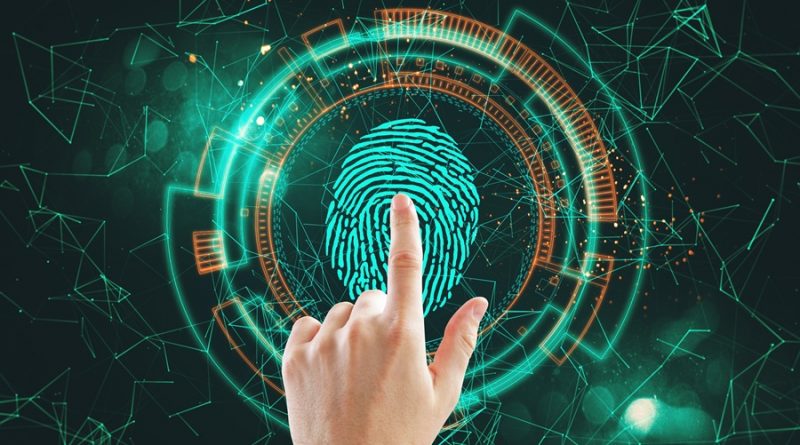
Biometric authentication uses unique human traits such as fingerprints, facial features, iris scans, or voice patterns to verify identity. Unlike passwords, biometric data cannot be easily forgotten or shared, and it’s inherently tied to the individual user.
Biometrics are rapidly gaining acceptance, and numbers prove it:
- 81% of global consumers view biometric authentication as more secure than traditional methods.
- 72% prefer facial biometrics over passwords for secure online processes.
- Over half of credit cardholders would switch banks if biometric options weren’t offered.
These figures highlight that both businesses and consumers increasingly view biometric authentication not just as innovative, but essential for trust and engagement.
Security Comparison: Biometrics vs Traditional
Security is the top priority for businesses when choosing an authentication model. Here’s how both stack up:
-
Credential Theft
Traditional passwords and PINs can be stolen or leaked. Biometric systems, in contrast, convert physical traits into encrypted templates that are much harder to replicate or reverse-engineer.
-
Ease of Forgery
Cybercriminals can easily brute-force weak passwords or intercept one-time codes. Biometric patterns—especially when paired with liveness detection—provide stronger resistance against spoofing and impersonation.
-
User Accountability
Passwords can be shared or misused internally. Biometric authentication attaches identity directly to a person, increasing accountability and reducing insider risk.
Ultimately, while no system is immune to risk, biometric solutions generally raise the bar for security compared to static passwords or tokens.
Business Use Cases for Biometric Authentication
-
Enterprise Access Control
Biometric systems streamline access to corporate resources, replacing physical badges and passwords with unique personal identifiers.
-
Financial Services
Banks and payment platforms use fingerprint and facial recognition to secure mobile banking, reduce fraud, and accelerate e-KYC processes.
-
Healthcare
Biometric authentication helps protect sensitive patient data and supports secure remote diagnostics without relying on easily compromised credentials.
-
Border Security and Government
Biometric e-gates and verification systems speed up immigration processes while improving identity assurance.
The Role of Secure Networks and VPNs
As organisations adopt stronger authentication, securing network access becomes equally critical. Many enterprises encourage remote workers and travellers to maintain a secure internet connection to protect data and identity.
Tools like Virtual Private Networks (VPNs) help encrypt traffic and obscure location. For example, using a service like Global IP jumping can allow users to change their virtual location to maintain privacy and secure access to regulatory or geo-restricted resources. Secure network practices complement biometric systems by fortifying the channels through which sensitive authentication data and user interactions travel.
VPN solutions also mitigate some risks of public Wi-Fi usage and protect business communication channels, although they are not replacements for strong identity verification systems.
Implementation Considerations for Businesses
While biometrics offer major advantages, businesses should consider the following:
- Data Protection and Privacy
Biometric data is sensitive; once compromised, it cannot be reset like a password. Organisations must comply with privacy regulations and implement robust encryption and storage policies.
- Cost and Infrastructure
Biometric systems require specialised hardware and software, which may increase upfront costs, especially compared to traditional methods.
- Integration and User Experience
Biometric solutions must be integrated carefully to offer fallback options for users (e.g., when sensors fail) without creating security loopholes.
Future Trends in Authentication
Authentication is evolving toward adaptive and continuous systems that combine biometrics with behavioural metrics like typing rhythm or gait. These next-generation methods provide ongoing verification rather than one-time checks, increasing security in dynamic environments.
Passwordless authentication is also gaining ground, often pairing cryptographic keys with biometric verification through standards such as WebAuthn.
This reduces dependence on knowledge-based credentials and leverages biometrics for seamless access management.
Conclusion
From a business perspective, biometric authentication represents a significant upgrade over traditional password and token systems.
With strong adoption rates, higher user trust, and superior resistance to common attack vectors, biometrics enhance both security and user experience. Yet, implementation must be thoughtful—balancing cost, privacy, and integration with existing infrastructure.