How AI Is Revolutionizing Employee Satisfaction: Key Ways to Boost Morale and Reduce Turnover
Employee satisfaction isn't a "nice-to-have"—it's essential for retention, productivity, and profitability. Gallup's ongoing research shows only about 20–30% of employees feel truly engaged, leading to high turnover costs and disengaged teams.
Employee satisfaction isn’t a “nice-to-have”—it’s essential for retention, productivity, and profitability. Gallup’s ongoing research shows only about 20–30% of employees feel truly engaged, leading to high turnover costs and disengaged teams.
But here’s the exciting shift happening in 2026: AI employee satisfaction tools are stepping in to change the game. By automating drudgery, personalizing experiences, and proactively supporting well-being, AI is helping companies create happier, more motivated workforces.
Recent insights from PwC, McKinsey, and others highlight the momentum: Frequent AI users report higher productivity, better job security, and even improved pay. Daily generative AI adopters feel more rewarded, while tools that cut repetitive tasks free up time for meaningful work—directly lifting job satisfaction.
CloudApper Solution Community for UKG
We empower users to customize  solutions
When features are needed to enhance UKG solutions, CloudApper is here to help. It’s a non-technical toolkit for customizing UKG – easily build anything you want, share it with the community, and help everyone thrive.
Top customizations shared by the UKG solution community

Capture time
with QR codes

Capture time
with biometrics

Track
employee tasks

Generate
custom reports

Schedule
employee tasks

Ensure
HR compliance

Send personalized
alerts

Capture time
with geofencing

Build custom
dashboards

Capture
time with NFC

Capture Job transfer
with barcode

Manage HIPAA
compliance
So, how exactly does AI make this happen?
→ Read the complete article here: How Does AI Improve Employee Satisfaction?
1. Banishing Monotonous Tasks AI automates routine admin work (think data entry, scheduling, or query handling), letting employees focus on creative, strategic contributions. Less burnout = higher satisfaction.
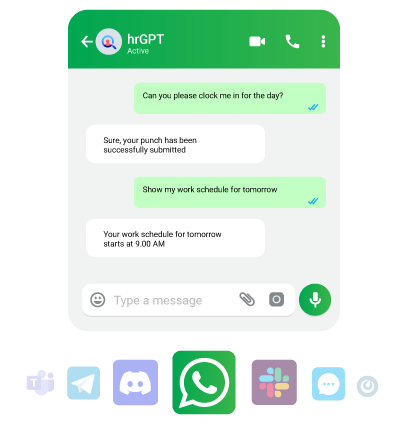
2. Instant, 24/7 Support via Chatbots & Virtual Assistants No more waiting days for HR answers. AI-powered assistants provide instant help on policies, benefits, or troubleshooting—streamlining communication and reducing frustration.
3. Hyper-Personalized Growth & Development AI analyzes performance, preferences, and goals to recommend tailored training, projects, or career paths. Employees feel seen and invested in, boosting motivation and loyalty.
4. Proactive Well-Being Monitoring with Sentiment Analysis Using natural language processing, AI scans feedback, emails, or surveys to detect stress, dissatisfaction, or burnout early. HR can intervene with support, adjustments, or resources—fostering a healthier culture.
5. Smarter Talent Management & Onboarding From resume screening to personalized onboarding, AI predicts fit and accelerates integration, helping new hires feel valued from day one.
6. Customized Benefits, Rewards & Safety AI tailors perks (wellness programs, insurance) to individual needs and even predicts workplace risks to enhance safety—small wins that add up to big satisfaction gains.
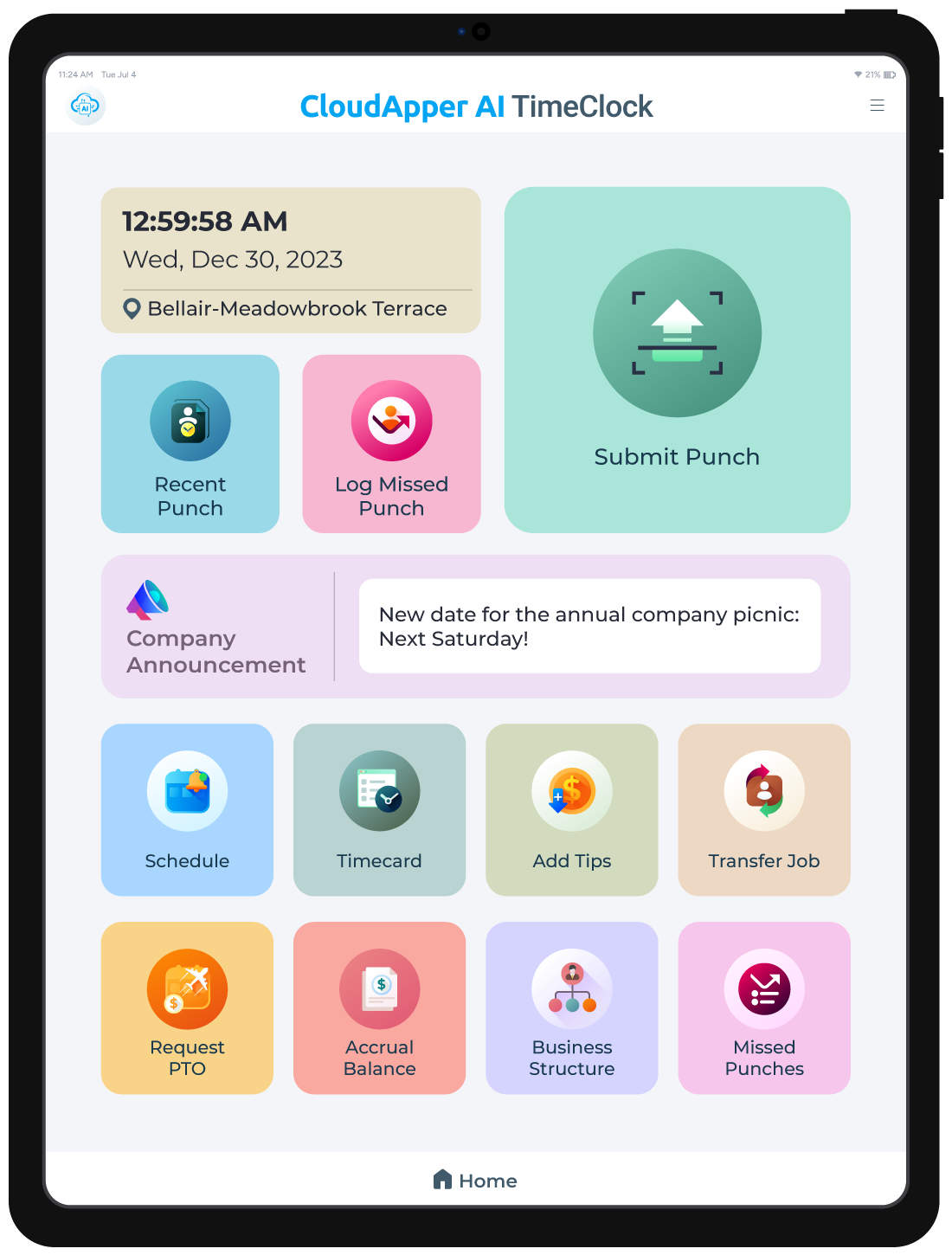
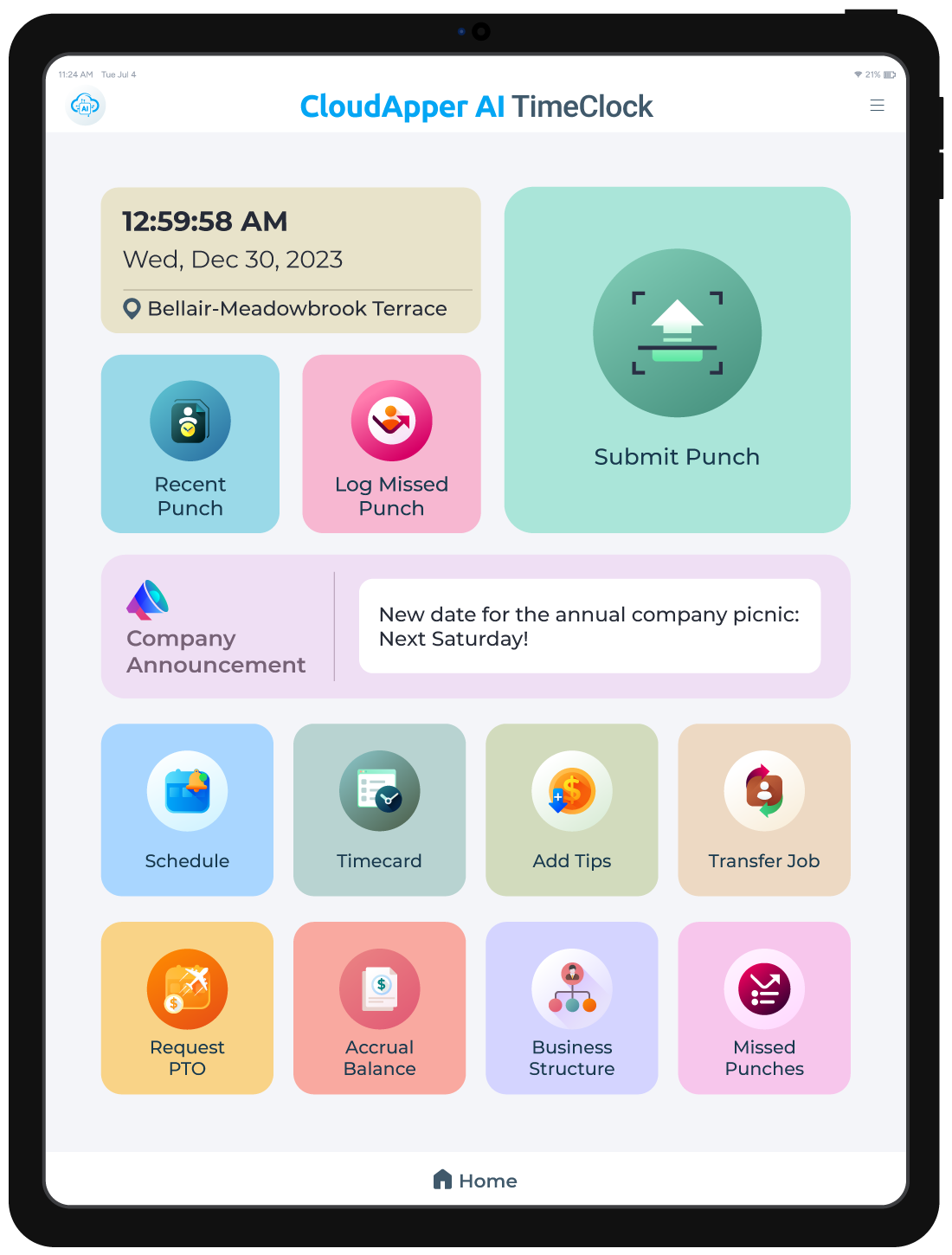
Tools like CloudApper hrPad (an AI-powered HR assistant) bring these capabilities together in one platform, integrating seamlessly with enterprise systems to deliver real-time personalization and support.
The result? Lower turnover, stronger engagement, and a positive workplace culture. As AI adoption surges (with Gallup noting frequent workplace AI use climbing steadily), companies that embrace it early are seeing measurable improvements in morale and retention.
Ready to see how AI can transform employee satisfaction for your team?
Dive into the full guide on how AI boosts satisfaction—including detailed examples from CloudApper’s hrPad platform—and discover practical ways to implement these changes today.
→ Read the complete article here: How Does AI Improve Employee Satisfaction?
What’s one area where your team could use more AI support for better satisfaction? Share in the comments below—I’d love to hear your thoughts!