Revolutionizing Patient Care: A Guide to Building AI Chatbots in Healthcare
Have you ever wondered how a simple conversation could transform the way patients interact with healthcare providers, making care more accessible, efficient, and compassionate—all while easing the overwhelming pressure on medical staff?
In an era where healthcare systems worldwide grapple with rising patient demands, staff shortages, and administrative overload, AI chatbots are emerging as a game-changing solution for patient engagement. As of 2026, the global healthcare chatbots market has already surpassed $1 billion and is projected to skyrocket toward $10 billion or more in the coming years, driven by a compound annual growth rate exceeding 23%. This explosive growth isn’t just about technology hype—it’s rooted in real, measurable impacts: AI-driven chatbots are saving the industry billions annually (with estimates of $3.6 billion in global savings already realized by reducing administrative burdens), cutting patient wait times by up to 15%, boosting engagement rates above 90% in some implementations, and even reducing hospital readmissions by as much as 25% through better follow-up and adherence support.
The core appeal lies in 24/7 availability and instant responses. Patients no longer endure long hold times or delayed emails for basic queries like appointment scheduling, insurance verification, billing explanations, or symptom guidance. Instead, they receive personalized, empathetic interactions that feel natural and supportive. Studies show that over 67% of patients in surveys feel more comfortable discussing sensitive health issues with an AI chatbot than a human operator initially, thanks to the privacy and convenience it offers. This leads to higher satisfaction, fewer no-shows via automated reminders, improved medication adherence (with gains of 15% or more in chronic care scenarios), and stronger overall trust in the healthcare provider.
For healthcare organizations—hospitals, clinics, dental practices, and beyond—the benefits extend far beyond patient-facing perks. Routine tasks that once consumed hours of staff time, such as registration, feedback collection, or compliance checks, are automated, allowing physicians, nurses, and administrators to redirect their energy toward complex, high-value care. This directly combats health worker burnout, a persistent crisis amplified by post-pandemic workloads. By handling repetitive inquiries and streamlining operations, AI chatbots foster a more sustainable environment where human expertise shines where it’s needed most.
Building such a chatbot doesn’t require advanced coding expertise anymore. Platforms like CloudApper AI make it accessible through no-code tools. The process starts with assessing your facility’s unique needs—perhaps focusing on appointment management, insurance navigation, or patient registration. Experts then tune AI models for accuracy and privacy, automate data training by loading your business information, and design intuitive user experiences via drag-and-drop interfaces. Deployment happens in seconds, with seamless integration across websites, mobile apps, Facebook Messenger, and enterprise systems like ERP or HRM platforms. Crucially, HIPAA compliance is baked in, with robust safeguards to protect sensitive patient data and ensure regulatory adherence.
CloudApper stands out by offering pre-built, specialized agents tailored for healthcare: Patient Registration Agent, Appointment Management Agent, Billing Agent, Insurance Verification Agent, Patient Service Feedback, and a Compliance Agent aligned with major healthcare laws. These modular, collaborative agents work together to deliver holistic support, reducing compliance risks while elevating experiences. The result? Enhanced patient participation in their care, lower operational costs, and a noticeable drop in staff frustration from administrative overload.
As trends in 2026 point toward agentic AI and multimodal communication (voice, text, chat), solutions like CloudApper Conversational AI Chatbot are leading the charge. This powerful tool not only automates critical operations but also promotes genuine empathy in interactions, helping combat burnout while delivering superior patient outcomes. Features include multi-channel support, 99.9% uptime, and effortless customization to fit any healthcare workflow.
Whether you’re a hospital administrator seeking to cut no-shows, a clinic manager aiming to boost satisfaction scores, or a provider tired of endless paperwork, embracing AI chatbots represents a strategic leap forward. It’s about augmenting human care, not replacing it—creating a more connected, efficient, and humane healthcare ecosystem for everyone involved.
For an even more powerful solution, explore the CloudApper Conversational AI Chatbot, designed to elevate patient experiences while combating health worker burnout through automated, empathetic interactions. Learn more here.
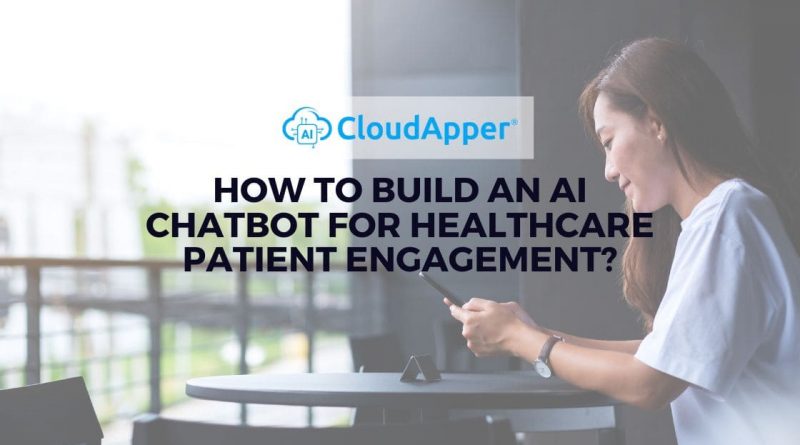
Ready to dive deeper? Read the full article: How to Build an AI Chatbot for Healthcare Patient Engagement?